Inexpensive crm software for small business: 7 Best Inexpensive CRM Software for Small Business in 2024

Looking for affordable ways to manage customer relationships? Discover the most powerful yet inexpensive CRM software for small business that boost efficiency without breaking the bank.




Why Inexpensive CRM Software for Small Business is a Game-Changer
Small businesses often operate with tight budgets, making cost-efficiency a top priority. Yet, managing customer relationships effectively is non-negotiable for growth. This is where inexpensive CRM software for small business comes into play—bridging the gap between affordability and functionality.
Boost Productivity Without High Costs
CRM tools automate repetitive tasks like data entry, follow-up emails, and appointment scheduling. For small teams, this means more time focusing on sales and customer service instead of administrative work.
- Automated reminders reduce missed follow-ups
- Centralized customer data improves team collaboration
- Task management features keep teams on track
According to Salesforce’s State of Sales Report, high-performing sales teams are 2.3x more likely to use CRM tools than underperformers.
Improve Customer Retention and Satisfaction
A well-implemented CRM helps track every customer interaction, ensuring no lead falls through the cracks. Personalized communication becomes easier when you have a complete history of past purchases, preferences, and support tickets.
- Track customer interactions across email, phone, and social media
- Send targeted marketing campaigns based on behavior
- Resolve issues faster with full context
“CRM isn’t just for big corporations. For small businesses, it’s the secret weapon to compete with larger players.” — HubSpot Blog
Top 7 Inexpensive CRM Software for Small Business in 2024
Choosing the right CRM can be overwhelming. To simplify your search, we’ve curated a list of the top 7 inexpensive CRM software for small business that deliver real value at a fraction of the cost.
1. HubSpot CRM
HubSpot CRM stands out as one of the most popular free CRM platforms, offering robust features at no cost. It’s ideal for startups and small businesses looking to scale without upfront investment.
- Free forever plan with contact management, deal tracking, and email integration
- Seamless integration with Gmail and Outlook
- Advanced analytics and reporting in paid tiers
Its user-friendly interface and powerful automation tools make it a top choice. Learn more at HubSpot’s official CRM page.
2. Zoho CRM
Zoho CRM offers a flexible, scalable solution with a free tier for up to three users. It’s particularly strong in sales automation and AI-powered insights.
- Free plan includes lead and contact management
- AI assistant (Zia) helps predict deal closures
- Customizable workflows and sales pipelines
Zoho integrates with over 40+ business apps, making it a versatile option. Visit Zoho CRM’s website for detailed pricing and features.
3. Freshsales (by Freshworks)
Freshsales is known for its intuitive design and built-in phone, email, and chat capabilities. It’s perfect for sales-driven small businesses.
- Free plan supports up to 10 users
- AI-based lead scoring identifies high-potential prospects
- Visual deal pipeline and activity tracking
The platform’s smart automation reduces manual input significantly. Explore more at Freshworks CRM.
4. Insightly
Insightly combines CRM with project management, making it ideal for service-based small businesses like consultants or agencies.
- Project tracking alongside customer data
- Workflow automation for recurring tasks
- Mobile app for on-the-go access
While the free plan is limited, the starter plan at $29/user/month offers excellent value. Check it out at Insightly’s official site.
5. Capsule CRM
Capsule CRM is a lightweight, easy-to-use system perfect for businesses that need simplicity without sacrificing core functionality.
- Free for up to two users
- Integrates with Google Workspace and Mailchimp
- Task and sales pipeline management
It’s not as feature-rich as others, but its clean interface and reliability make it a favorite among solopreneurs. Learn more at Capsule CRM.
6. Agile CRM
Agile CRM packs a punch with marketing, sales, and service tools in one platform. Its free plan is one of the most comprehensive available.
- Free for up to 10 users with contact management, email tracking, and telephony
- Marketing automation including email campaigns and web tracking
- Customer support ticketing system
However, some users report slower performance as data grows. Visit Agile CRM for a free trial.
7. Bitrix24
Bitrix24 is an all-in-one workspace that includes CRM, communication tools, and project management. It’s especially useful for remote or hybrid teams.
- Free plan supports up to 12 users
- Includes telephony, video conferencing, and task management
- Customizable CRM fields and automation
While the interface can feel cluttered, its breadth of features justifies the learning curve. Explore at Bitrix24.
Key Features to Look for in Inexpensive CRM Software for Small Business
Not all CRMs are created equal. When evaluating inexpensive CRM software for small business, focus on features that directly impact your operations and growth.
inexpensive crm software for small business – Inexpensive crm software for small business menjadi aspek penting yang dibahas di sini.
Contact and Lead Management
The core of any CRM is organizing customer data. Look for tools that allow you to store contact details, track interactions, and segment leads based on behavior or source.
- Automated contact capture from emails and forms
- Duplicate merging to keep data clean
- Custom fields for industry-specific data
A study by Nucleus Research found that CRM systems deliver an average $8.71 return for every dollar spent—largely due to better lead management.
Sales Pipeline and Deal Tracking
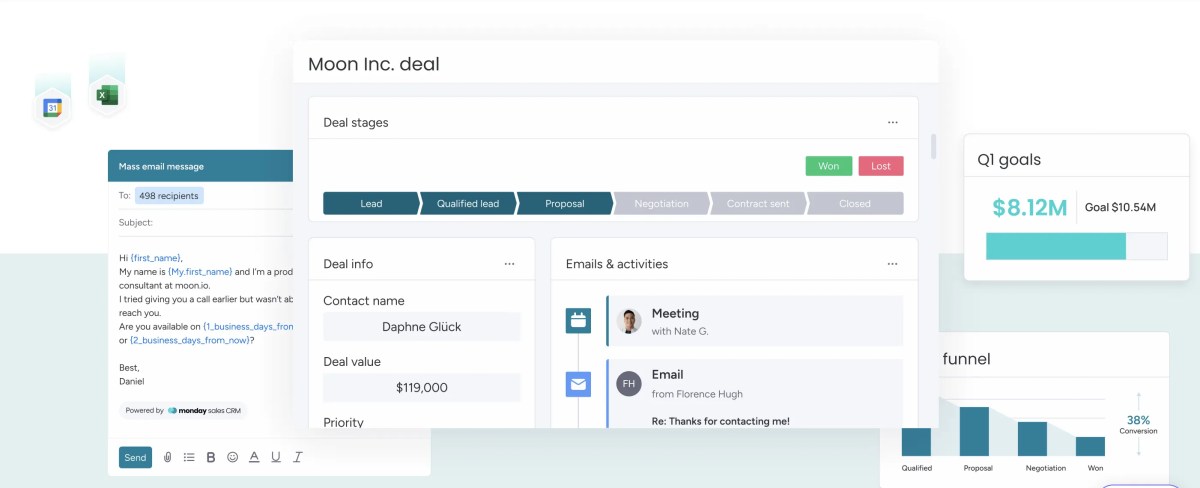
Visualizing your sales process helps identify bottlenecks and forecast revenue accurately. A good CRM should offer customizable pipelines with drag-and-drop functionality.
- Stage-based deal progression
- Revenue forecasting tools
- Integration with calendar and email for follow-ups
“A clear sales pipeline turns chaos into clarity—helping small teams close more deals with less effort.”
Automation and Workflow Tools
Automation is the backbone of efficiency. Even inexpensive CRM software for small business should offer basic automation like email sequences, task assignments, and reminders.
- Automated follow-up emails after lead capture
- Task creation based on customer actions
- Custom triggers and actions for unique workflows
These features reduce human error and ensure consistency in customer communication.
How to Choose the Right Inexpensive CRM Software for Small Business
Selecting the best CRM isn’t just about price—it’s about fit. The right tool should align with your business model, team size, and long-term goals.
Assess Your Business Needs
Start by identifying your pain points. Are you losing leads? Struggling with follow-ups? Need better reporting? List your must-have features before comparing options.
- Service-based business? Prioritize appointment scheduling and project tracking
- Sales-heavy? Focus on pipeline visibility and lead scoring
- E-commerce? Look for integration with Shopify or WooCommerce
For example, a consulting firm might benefit more from Insightly’s project management features than from a sales-focused CRM like Freshsales.
Consider Scalability and Integration
Your CRM should grow with you. Even if you’re a team of three now, will the software support 10 users in a year? Check for API access and integration with tools you already use—like email, accounting, or marketing platforms.
- Google Workspace, Microsoft 365, and Slack integrations
- Payment tools like Stripe or PayPal
- Marketing platforms like Mailchimp or ActiveCampaign
HubSpot and Zoho offer extensive integration ecosystems, making them future-proof choices.
Test Before You Commit
Most inexpensive CRM software for small business offers free trials or freemium plans. Use this time to test usability, onboarding, and support responsiveness.
- Invite team members to test the interface
- Import sample data to see how it handles real-world use
- Check mobile app functionality if you work remotely
Don’t underestimate the importance of user experience—your team is more likely to adopt a CRM they find intuitive.
Common Mistakes to Avoid When Implementing CRM
Even the best inexpensive CRM software for small business can fail if implemented poorly. Avoid these common pitfalls to ensure a smooth transition.
Poor Data Migration and Cleanup
Moving data from spreadsheets or old systems often leads to duplicates, outdated entries, and formatting issues. Clean your data before importing.
- Remove inactive or duplicate contacts
- Standardize naming conventions and fields
- Validate email addresses and phone numbers
According to Gartner, poor data quality is responsible for an average of $12.9 million in annual losses for businesses.
Lack of Team Training and Adoption
A CRM is only as good as the team using it. Without proper training, employees may resist the change or use it incorrectly.
- Provide hands-on training sessions
- Assign a CRM champion within the team
- Create simple guides or video tutorials
“Technology doesn’t fail—implementation does. Success starts with people, not software.”
Overcomplicating the Setup
It’s tempting to customize every field and automate every process from day one. But this can overwhelm users and delay adoption.
- Start with core features: contacts, deals, tasks
- Gradually add automation and reporting
- Use default templates before building custom ones
Focus on solving immediate problems first, then expand as your team gets comfortable.
Real-World Benefits of Using Inexpensive CRM Software for Small Business
The true value of inexpensive CRM software for small business lies in its tangible impact on operations, customer experience, and revenue.
Shorter Sales Cycles
With better lead tracking and automated follow-ups, sales teams can move prospects through the funnel faster. CRM users report closing deals 29% faster on average, according to Nucleus Research.
- Automated reminders prevent delays
- Lead scoring prioritizes high-intent prospects
- Real-time notifications keep momentum
Higher Customer Retention
CRM systems help you remember birthdays, past purchases, and support history—enabling personalized service that builds loyalty.
inexpensive crm software for small business – Inexpensive crm software for small business menjadi aspek penting yang dibahas di sini.
- Send personalized thank-you emails after purchases
- Offer relevant upsells based on buying patterns
- Proactively reach out before contracts expire
Businesses using CRM report a 27% increase in customer retention, per Salesforce’s Small Business Trends Report.
Better Decision-Making with Analytics
Even basic CRM tools provide insights into sales performance, customer behavior, and team productivity.
- Track conversion rates by source or campaign
- Monitor individual sales rep performance
- Identify top-performing products or services
Data-driven decisions reduce guesswork and improve strategy.
Future Trends in CRM for Small Businesses
The CRM landscape is evolving rapidly, with AI, mobile access, and deeper integrations shaping the future of inexpensive CRM software for small business.
AI-Powered Insights and Automation
Artificial intelligence is no longer a luxury. Modern CRMs use AI to predict customer behavior, suggest next steps, and automate responses.
- Zia in Zoho CRM predicts deal success
- HubSpot’s AI writes email subject lines and content
- Freshsales uses AI to score leads in real time
These tools help small teams act like large, data-driven organizations.
Mobile-First CRM Experiences
With more teams working remotely, mobile CRM access is essential. Leading platforms now offer full-featured apps for iOS and Android.
- Log calls and update deals from the field
- Access customer history during meetings
- Receive push notifications for urgent tasks
Bitrix24 and Freshsales lead in mobile functionality, offering near-desktop experiences on smartphones.
Deeper Ecosystem Integrations
The future of CRM is connectivity. Platforms are moving beyond basic integrations to offer unified workflows across marketing, sales, and service.
- Synchronize data between CRM and accounting software
- Trigger marketing campaigns from sales activities
- Sync support tickets with customer profiles
Zoho and HubSpot are at the forefront, offering ecosystems with dozens of interconnected apps.
What is the best inexpensive CRM software for small business?
HubSpot CRM is widely regarded as the best overall due to its free plan, ease of use, and powerful integrations. However, Zoho CRM and Freshsales are excellent alternatives depending on your specific needs.
Can I use CRM software for free?
Yes, many inexpensive CRM software for small business offer free plans. HubSpot, Zoho, Freshsales, Agile CRM, and Bitrix24 all provide free tiers with core features suitable for small teams.
How much should I expect to pay for a CRM?
Prices range from free to $50/user/month. Most small businesses can start with free or starter plans under $20/user/month. Costs increase with advanced features like automation, AI, and phone support.
Do I need technical skills to use CRM software?
No. Most modern CRMs are designed for non-technical users with drag-and-drop interfaces, pre-built templates, and intuitive navigation. Onboarding is usually quick and supported by tutorials.
How does CRM improve customer service?
CRM improves customer service by centralizing interaction history, enabling faster response times, and allowing personalized communication based on past behavior and preferences.
Choosing the right inexpensive CRM software for small business can transform how you manage relationships, close deals, and grow sustainably. From free tools like HubSpot and Zoho to feature-rich platforms like Freshsales and Bitrix24, there’s a solution for every budget and need. Focus on ease of use, essential features, and scalability to ensure long-term success. With the right CRM, even the smallest team can deliver enterprise-level customer experiences.
inexpensive crm software for small business – Inexpensive crm software for small business menjadi aspek penting yang dibahas di sini.
Further Reading: